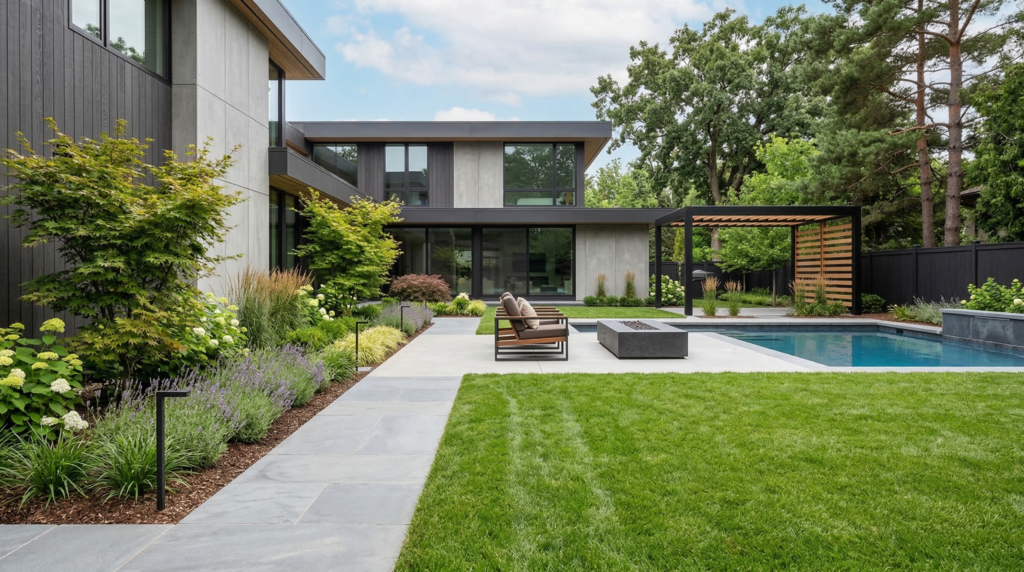
Landscape design Austin projects can completely change how an outdoor space looks, feels, and functions. With the right combination of greenery, hardscape, pathways, lighting, and irrigation, an unfinished yard can become a clean and comfortable extension of the home.
However, successful landscaping involves more than adding plants. The design should also consider maintenance, drainage, sun exposure, outdoor activities, and the way each area connects.
Because of this, homeowners should begin with a complete plan instead of selecting individual features without considering the full yard.
Why Landscape Design Austin Projects Are Worth Considering
A well-designed landscape can improve curb appeal and make outdoor areas easier to enjoy.
For example, defined pathways can improve movement through the yard. Shade, seating, lighting, and hardscape can also create more comfortable places for relaxing or entertaining.
Professional landscape planning may help improve:
- Curb appeal
- Outdoor comfort
- Property appearance
- Backyard organization
- Walkway access
- Water management
- Privacy
- Overall outdoor usability
As a result, the yard can feel more intentional, polished, and connected to the home.
Start With a Clear Landscape Layout
A strong landscape begins with a clear layout.
Before selecting plants or materials, homeowners should think about how the outdoor space will be used. Some families want an entertainment area, while others need room for children, pets, gardening, or quiet relaxation.
Important planning questions include:
- Where will people walk?
- Which areas receive direct sunlight?
- Where is shade needed?
- Will the yard include a patio or pool?
- Is more privacy necessary?
- Are there drainage concerns?
- How much maintenance is realistic?
Once these questions are answered, the design can be divided into practical zones.
For instance, one section may become a seating area while another includes artificial turf, landscaping, or a pathway.
Combine Landscaping With Hardscape
Hardscape refers to the permanent surfaces and structures within an outdoor design.
Concrete, pavers, gravel, retaining walls, stone, and pathways can help organize the yard. In addition, these materials provide structure around plants and softer landscape features.
Popular hardscape additions include:
- Paver pathways
- Concrete patios
- Retaining walls
- Gravel areas
- Stone borders
- Outdoor steps
- Raised planter beds
- Seating walls
Because hardscape requires less routine care than many planted areas, it can also support a more manageable outdoor space.
However, the design should maintain balance. Too much hardscape can make the yard feel cold, while too much planting may create unnecessary maintenance.
Consider Low-Maintenance Landscaping
Not every outdoor space needs a large lawn or many plants.
Low-maintenance landscaping focuses on creating a clean appearance with fewer demanding elements. This approach can work well for homeowners who want a beautiful yard without constant watering, mowing, trimming, and seasonal replacement.
Low-maintenance ideas may include:
- Artificial turf
- Gravel borders
- Native or adapted plants
- Paver walkways
- Mulched planting beds
- Decorative stone
- Structured planters
- Drip irrigation
In addition, clearly defined planting areas can prevent the landscape from looking overgrown or disorganized.
The goal is not to remove all greenery. Instead, the design should use plants more intentionally.
Explore Xeriscape Ideas
Xeriscape is a landscape approach that emphasizes thoughtful water use and plant selection.
It may include drought-tolerant plants, gravel, stone, mulch, efficient irrigation, and reduced lawn areas. Although xeriscape is often associated with dry designs, it can still include attractive greenery and layered textures.
Xeriscape features may include:
- Drought-tolerant plants
- Native or adapted landscaping
- Decorative gravel
- Stone pathways
- Mulched garden areas
- Drip irrigation
- Reduced grass coverage
- Defined planting zones
For this reason, xeriscape can be a good option for homeowners seeking a modern and practical landscape.
An official Austin Water landscaping guide can also provide helpful information about responsible water use and plant planning.
Use Artificial Turf in the Right Areas
Artificial turf can create a consistent green surface in areas where natural grass is difficult to maintain.
For example, it may work well in high-traffic zones, pet areas, side yards, play spaces, or around modern paver designs. It can also help reduce muddy patches and uneven lawn areas.
Artificial turf may be used for:
- Backyard activity areas
- Pet-friendly spaces
- Poolside landscaping
- Side yards
- Play areas
- Putting greens
- Paver-and-turf designs
However, proper preparation and drainage are important. The base should be planned carefully so the surface performs well over time.
Artificial turf also looks best when it is integrated with other materials instead of covering every part of the yard.
Add Pathways to Connect the Space
Pathways make an outdoor space easier to navigate.
They can connect the driveway to the entry, the patio to the pool, or the home to a detached office, pergola, or fire pit. In addition, pathways can protect landscaped areas from repeated foot traffic.
Pathway materials may include:
- Concrete
- Pavers
- Natural stone
- Gravel
- Stepping stones
- Large modern slabs
- Brick-style pavers
A pathway does not need to be completely straight. Gentle curves can help soften the outdoor design and create a more natural flow.
At the same time, the path should remain wide, stable, and practical for everyday use.
Create Privacy With Landscaping and Fencing
Privacy can make a backyard feel more comfortable.
Plants, fencing, privacy screens, and outdoor structures can be combined to reduce unwanted views and define outdoor areas. However, the design should avoid making the yard feel completely closed.
Privacy ideas may include:
- Horizontal wood fencing
- Metal privacy panels
- Tall planter beds
- Structured shrubs
- Decorative screens
- Pergolas
- Landscape walls
- Layered planting
For example, a privacy screen near a seating area may provide enough separation without requiring a full fence around the entire property.
As a result, homeowners can create a more relaxing outdoor environment.
Add Landscape Lighting
Outdoor lighting can extend the use of the yard into the evening.
It can also improve safety around pathways, steps, patios, retaining walls, and entrances. Rather than installing one bright fixture, homeowners may prefer several smaller lights placed throughout the space.
Landscape lighting ideas include:
- Pathway lights
- Step lights
- Tree lighting
- Wall lighting
- Patio lighting
- Planter lighting
- Poolside lighting
- Accent lighting
In addition, lighting can highlight stonework, plants, trees, and architectural details.
The best results usually come from soft, targeted lighting rather than overly bright fixtures.
Plan an Efficient Irrigation System
An irrigation system should support the layout and plant selection.
Different parts of the yard may have different watering needs. Therefore, the system should be divided into zones rather than treating every area the same.
Irrigation options may include:
- Drip irrigation
- Sprinkler systems
- Separate watering zones
- Timers
- Smart controllers
- Targeted planter irrigation
- Lawn irrigation
- Seasonal adjustments
Drip irrigation can be especially useful for planter beds because it directs water closer to plant roots.
Meanwhile, proper system planning can help reduce unnecessary watering and prevent overspray onto concrete, fences, or exterior walls.
Think About Drainage Before Installation
Drainage is an essential part of landscape design Austin projects.
Without proper water movement, new planting beds, patios, turf, and pathways may experience standing water or erosion. For this reason, drainage should be reviewed before installing new landscape features.
Drainage planning may include:
- Correct grading
- French drains
- Channel drains
- Downspout extensions
- Gravel drainage areas
- Retaining-wall drainage
- Surface slope
- Safe discharge locations
For example, a new patio should slope away from the home and direct water toward an appropriate drainage area.
By planning early, homeowners can help protect both the landscaping and surrounding structures.
Add Retaining Walls Where Needed
Retaining walls can provide structure on sloped or uneven properties.
They may help support soil, define planting areas, create different yard levels, or frame a patio. In addition, retaining walls can become an attractive part of the landscape design.
Retaining-wall materials may include:
- Natural stone
- Concrete blocks
- Masonry
- Modern concrete
- Decorative wall systems
- Timber-style materials
However, retaining walls must be planned carefully. Drainage, soil pressure, wall height, and structural support can all affect the design.
A properly planned wall should feel connected to the rest of the exterior rather than appearing as a separate feature.
Choose Plants Based on the Location
Plants should be selected for the conditions of each area.
Some spaces receive strong sunlight, while others remain shaded for much of the day. Soil, drainage, maintenance, and mature plant size also matter.
Before selecting plants, consider:
- Sun exposure
- Shade conditions
- Water needs
- Mature height and width
- Seasonal appearance
- Soil conditions
- Maintenance requirements
- Proximity to structures
For instance, large plants should not be placed too close to walkways, windows, or outdoor equipment.
Careful selection can help the landscape look attractive without creating unnecessary problems later.
Connect Landscaping With Outdoor Living Features
Landscaping should support the way the entire outdoor space is used.
A landscape plan can connect patios, pools, pergolas, outdoor kitchens, decks, fire pits, and detached structures. Instead of treating each project separately, the yard should feel like one complete design.
Popular combinations include:
- Landscaping around a pool
- Paver pathways with artificial turf
- Planters beside a pergola
- Gravel around a fire pit
- Landscape lighting along a patio
- Privacy planting near outdoor seating
- Retaining walls around sloped areas
These combinations help soften hard surfaces while improving the overall appearance of the property.
Build an Outdoor Space That Fits Your Lifestyle
Landscape design Austin projects can turn a simple yard into a beautiful and functional outdoor environment.
Natural plants can add softness and character. On the other hand, artificial turf, hardscape, pathways, and gravel can support a lower-maintenance design.
The best plan combines these elements based on the property and the homeowner’s lifestyle.
At Together Exterior & Outdoor Remodeling, we help homeowners plan and build landscaping that works with the rest of their outdoor space.
From hardscape, artificial turf, irrigation, and retaining walls to patios, pathways, lighting, and complete backyard remodeling, our team can bring the full design together.
Ready to explore our landscaping and outdoor remodeling services? Contact Together Exterior & Outdoor Remodeling to schedule a consultation.