Roof replacement Austin projects help protect homes from heat, rain, wind, and everyday weather exposure. Although a roof may look fine from the ground, hidden damage can affect its performance over time.
Because of this, homeowners should pay attention to changes in the roof, gutters, ceilings, and attic. Early action can help prevent small concerns from becoming larger repairs.
Why Roof Replacement Austin Matters
A roof is one of the most important protective parts of a home.
It helps keep water outside, supports indoor comfort, and contributes to the property’s appearance. In addition, the roofing system works with gutters, flashing, insulation, and ventilation.
Roof replacement may help improve:
- Weather protection
- Curb appeal
- Indoor comfort
- Water management
- Long-term durability
- Property value
- Energy performance
As a result, a new roof can improve both the appearance and function of the property.
Signs Your Roof May Need Attention
Some roofing problems are easy to see. However, other warning signs may appear inside the home.
Homeowners should watch for:
- Missing or damaged shingles
- Curled or cracked roofing materials
- Dark stains on ceilings
- Water marks near walls
- Loose flashing
- Sagging roof areas
- Excessive debris in gutters
- Repeated roof leaks
For example, a small ceiling stain may indicate moisture entering through damaged roofing or flashing. Therefore, it is important to inspect the full system instead of repairing only the visible interior damage.
Consider the Age of the Roof
Roofing materials do not last forever.
Their condition depends on the material, installation, ventilation, maintenance, and weather exposure. In addition, strong sunlight and seasonal storms can affect how quickly exterior materials age.
An older roof does not always require immediate replacement. Still, regular inspections can help homeowners understand its current condition and plan ahead.
Choose the Right Roofing Material
The best roofing material depends on the style of the home, budget, maintenance goals, and desired appearance.
Common roofing options include:
- Asphalt shingles
- Metal roofing
- Standing-seam metal roofs
- Tile roofing
- Low-slope roofing systems
- Reflective roofing materials
Asphalt shingles remain a familiar option for many residential properties. Metal roofing, on the other hand, can create a clean and modern exterior.
Reflective roofing materials may also help reduce the amount of solar heat absorbed by the roof. For this reason, homeowners should compare both appearance and performance before making a selection.
Do Not Forget the Gutters
Roofing and gutters work together.
While the roof moves water toward the edges of the home, gutters carry that water away from walls, landscaping, and foundation areas. Damaged or clogged gutters can interrupt this process.
A roofing project may also include:
- Gutter replacement
- Downspout improvements
- Fascia repairs
- Soffit repairs
- Drainage adjustments
- Gutter guards
- Exterior trim updates
In addition, matching new gutters with the roof can create a cleaner and more finished exterior.
Check Flashing and Roof Penetrations
Flashing helps protect areas where the roof meets walls, vents, chimneys, skylights, or other surfaces.
When flashing becomes loose or damaged, water may enter through small openings. Therefore, these areas should be reviewed during roof inspections and replacement planning.
Important areas include:
- Roof valleys
- Chimney connections
- Vent pipes
- Skylights
- Wall intersections
- Roof edges
- Mechanical penetrations
Careful detailing around these areas supports better long-term performance.
Think About Ventilation and Insulation
A roofing system does not work alone.
Attic ventilation and insulation can affect indoor temperature, moisture, and roof performance. For example, poor airflow may allow excess heat or moisture to collect inside the attic.
During a roof replacement, homeowners may want to review:
- Attic ventilation
- Intake and exhaust vents
- Insulation levels
- Signs of moisture
- Air leaks
- Roof decking condition
As a result, the project can address more than the visible roofing material.
Match the Roof to the Exterior Design
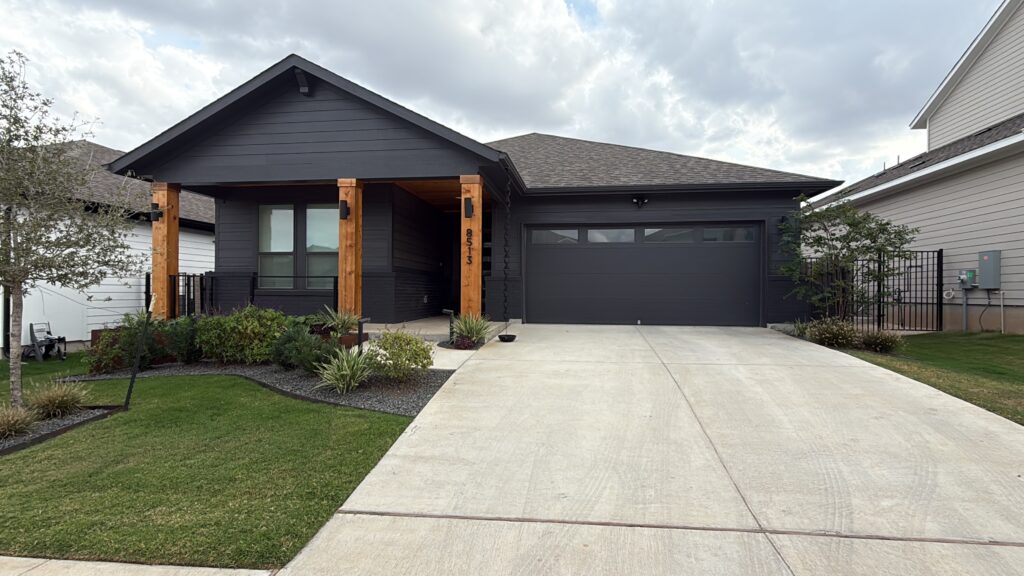
A roof covers a large portion of the home’s exterior. Therefore, its color and style can strongly affect curb appeal.
The roofing selection should work with:
- Exterior paint
- Siding
- Stone or brick
- Windows
- Gutters
- Garage doors
- Entry details
A coordinated exterior helps the entire property feel more intentional and updated.
Plan Your Roof Replacement
Roof replacement Austin projects should begin with a clear inspection and project plan.
At Together Exterior & Outdoor Remodeling, we help homeowners improve and protect their properties with complete exterior solutions.
From roofing and gutters to siding, painting, windows, drainage, and full exterior remodeling, our team can help bring the project together.
Ready to explore our roofing and exterior remodeling services? Contact Together Exterior & Outdoor Remodeling to schedule a consultation.