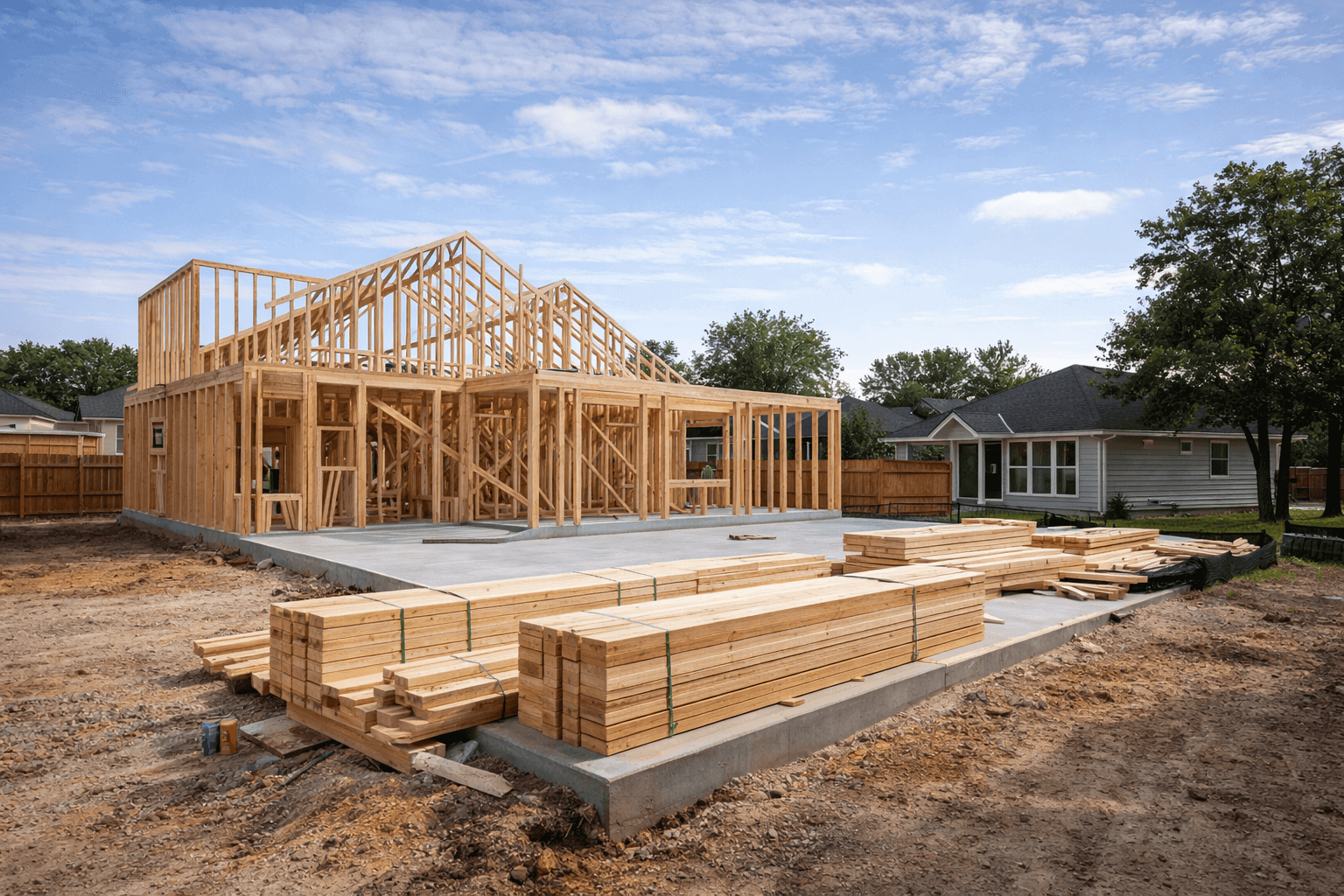
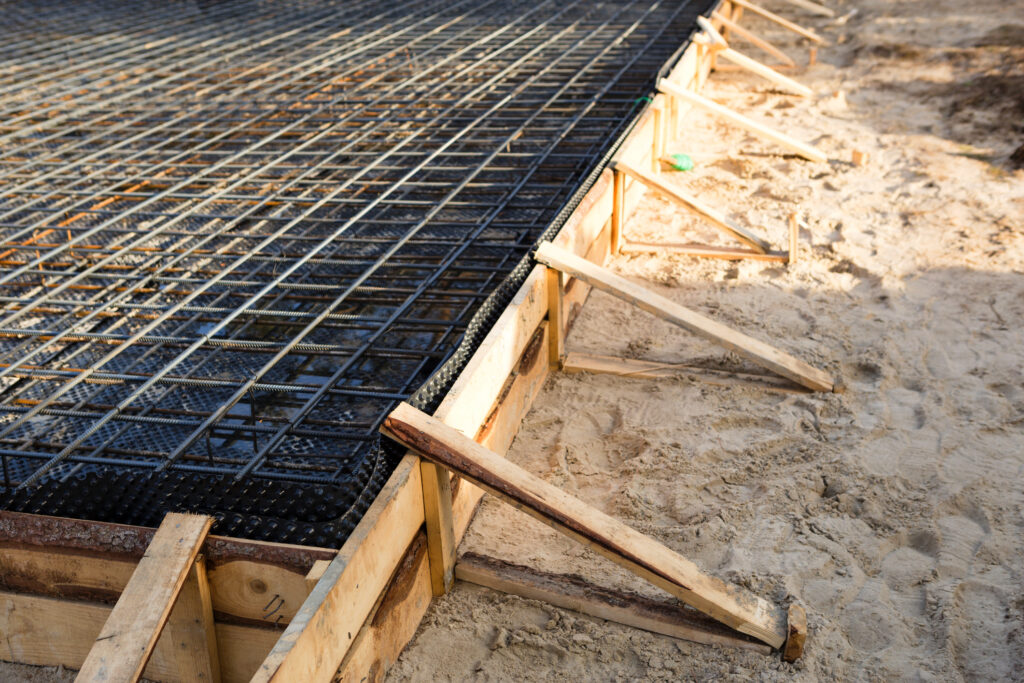
The foundation supports the entire structure of the home.
Changes in soil moisture, drainage, construction conditions, tree roots, and normal settlement may affect how the foundation performs over time.
Professional foundation repair in Austin should begin with a careful evaluation of the property. Not every crack indicates a serious structural problem, but certain warning signs should not be ignored.
Why Foundation Problems Develop
Foundation movement can have several possible causes.
These may include:
- Expanding or shrinking soil
- Poor drainage
- Plumbing leaks
- Erosion
- Improper grading
- Tree-root activity
- Construction issues
- Long periods of dry weather
- Repeated moisture changes
- Inadequate water management
Because several conditions may create similar symptoms, an inspection is important before choosing a repair.
1. Cracks in Interior Walls
Small cosmetic cracks may appear as a home settles.
However, cracks that grow, reopen, or appear in several rooms may require further evaluation.
Pay attention to:
- Diagonal cracks near doors
- Cracks extending from windows
- Wide drywall cracks
- Cracks that repeatedly return after repair
- Separation between walls and ceilings
- Cracks on multiple levels
The size, direction, location, and progression of the crack can help a professional evaluate its significance.
2. Exterior Brick or Masonry Cracks
Cracks in brick, stone, stucco, or masonry may indicate movement in the wall or foundation.
Common patterns include:
- Stair-step cracks
- Vertical cracks
- Horizontal cracks
- Separation around windows
- Gaps near doors
- Cracks through mortar joints
- Cracks extending from the foundation upward
A single small crack may not indicate major damage. However, expanding cracks or several related symptoms should be inspected.
3. Doors That Stick or Stop Closing Properly
Foundation movement can affect the shape of door and window openings.
A door may begin to:
- Stick
- Swing open by itself
- Fail to latch
- Rub against the frame
- Show an uneven gap
- Become difficult to close
One sticking door may result from humidity or hardware problems. Several doors changing at the same time may indicate movement.
4. Uneven or Sloping Floors
Floors may become uneven because of foundation movement, framing problems, moisture damage, or other structural conditions.
Signs may include:
- Noticeable slopes
- Soft areas
- Furniture appearing uneven
- Gaps beneath baseboards
- Cracked tile
- Separating flooring
- Bouncy floor sections
The underlying cause should be identified before replacing the flooring.
5. Gaps Around Windows and Doors
New gaps may appear between frames, walls, trim, siding, brick, or stucco.
These openings may allow air or water into the building.
Look for:
- Separation at window corners
- Cracked caulk
- Uneven window frames
- Gaps around exterior doors
- Trim pulling away
- Windows becoming difficult to operate
Repairing the visible gap without addressing the movement may only provide a temporary solution.
6. Foundation Cracks
Visible cracks may appear along slab edges, crawl-space walls, beams, or other foundation components.
Cracks should be evaluated when they are:
- Growing
- Wide
- Horizontal
- Uneven
- Leaking water
- Appearing in several locations
- Accompanied by interior changes
Avoid assuming that every crack requires the same repair. The foundation type and cause of movement matter.
7. Soil Pulling Away from the Foundation
During dry conditions, soil may shrink and create a visible gap beside the foundation.
This may indicate significant moisture changes in the surrounding soil.
Homeowners should also watch for:
- Deep soil cracks
- Erosion
- Standing water
- Downspouts releasing water beside the home
- Exposed foundation areas
- Uneven landscape grading
A professional can evaluate whether drainage, soil management, or foundation work is appropriate.
8. Water Collecting Near the Home
Drainage problems may contribute to foundation concerns.
Water should generally move away from the building rather than collect beside it.
Potential problems include:
- Short downspouts
- Clogged gutters
- Low areas near the home
- Negative grading
- Irrigation spraying the foundation
- Drainage pipes that do not work
- Water from neighboring properties
Improving water management may be part of the foundation solution.
9. Chimney or Exterior Wall Separation
A chimney, porch, garage, or exterior wall may begin separating from the main structure.
Visible gaps or leaning should be evaluated promptly.
This may involve:
- Foundation movement
- Structural connections
- Masonry damage
- Soil conditions
- Water exposure
Because these issues can affect safety, they should not be treated as cosmetic repairs alone.
10. Repeated Cosmetic Repairs
Cracks that return after patching may indicate that movement is continuing.
Common repeated repairs include:
- Recaulking windows
- Repatching drywall
- Repairing tile
- Adjusting doors
- Filling masonry cracks
- Repainting damaged areas
If the same problems return, the underlying condition should be investigated.
Foundation Problems vs. Normal Settlement
Some movement may occur as a building ages.
Normal settlement may create small, stable cracks that do not continue changing.
Potentially concerning movement may include:
- Cracks becoming larger
- New symptoms appearing
- Doors and windows changing
- Floors becoming uneven
- Exterior separation
- Several symptoms appearing together
A qualified foundation specialist or structural professional can help distinguish between cosmetic settlement and a larger issue.
How Drainage Affects the Foundation
Water management is an important part of protecting the foundation.
The property may benefit from:
- Functional gutters
- Extended downspouts
- Proper grading
- French drains
- Catch basins
- Controlled irrigation
- Erosion protection
- Plumbing-leak repairs
Foundation work may not perform as expected if the surrounding drainage problem remains unresolved.
Common Foundation Repair Methods
The appropriate repair depends on the foundation type, soil conditions, and cause of movement.
Possible methods may include:
- Piers
- Underpinning
- Beam repairs
- Crawl-space supports
- Slab stabilization
- Drainage corrections
- Soil improvements
- Masonry repairs
A contractor should explain why a particular repair is recommended and what conditions it is intended to address.
Questions to Ask Before Foundation Repair
Before approving foundation work, ask:
- What is causing the movement?
- Is the problem active or stable?
- What areas are affected?
- Does the drainage need improvement?
- Are plumbing tests recommended?
- What repair method is proposed?
- Why is that method appropriate?
- Will engineering or permits be required?
- What warranty is included?
- How will the repair affect flooring, walls, or exterior finishes?
- What follow-up monitoring is recommended?
Homeowners should request clear documentation and avoid choosing a repair based only on the lowest estimate.
Coordinate Foundation Work with Other Repairs
Foundation movement can affect several parts of the home.
After stabilization, related repairs may include:
- Drywall repairs
- Flooring replacement
- Masonry repairs
- Window and door adjustments
- Siding repairs
- Drainage improvements
- Concrete work
- Exterior painting
The order of work matters. Cosmetic repairs should generally be coordinated after the structural condition has been evaluated and addressed.
Professional Foundation Repair in Austin
Foundation warning signs should be evaluated before they lead to more extensive property damage.
Together Exterior & Outdoor Remodeling provides foundation repair in Austin, along with drainage improvements, gutter work, concrete, masonry, siding, and complete exterior renovations.
Our team can evaluate the surrounding exterior conditions and help coordinate the necessary repairs.
Contact Together Exterior & Outdoor Remodeling to schedule a foundation consultation.