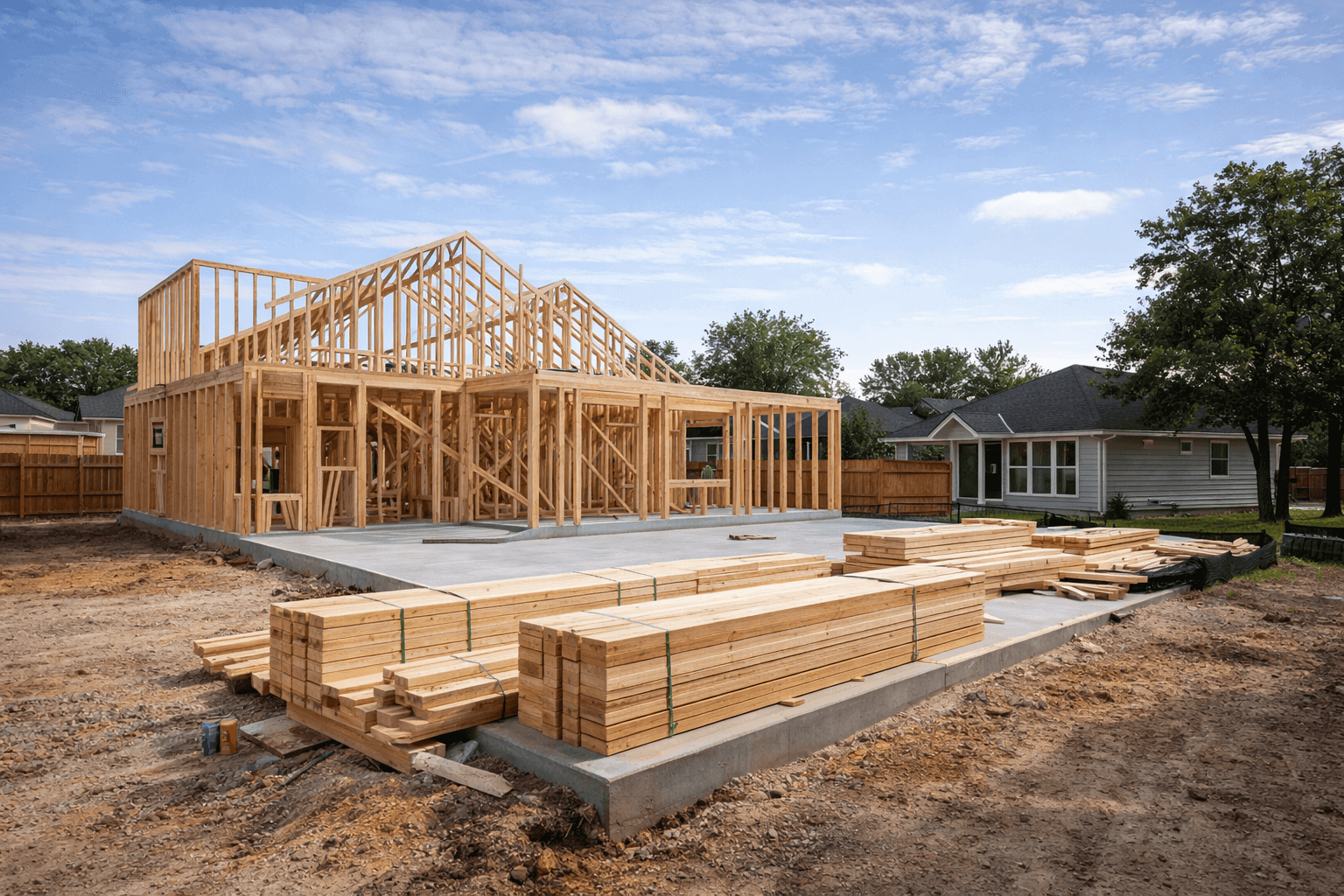
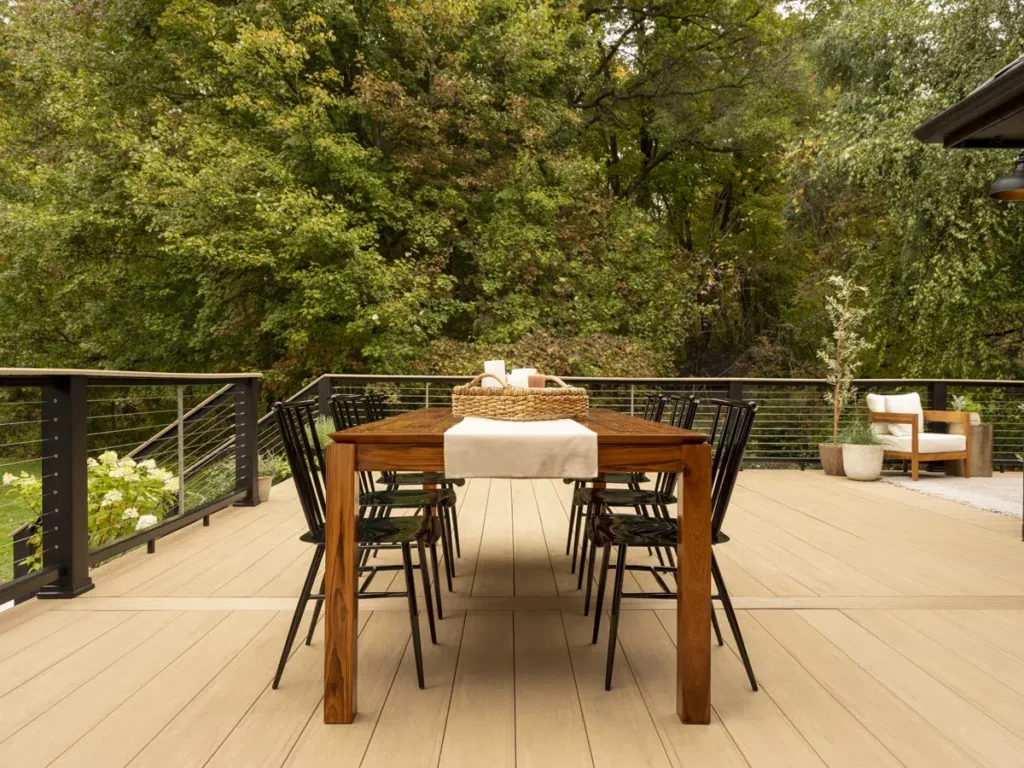
Deck installation Austin projects can create a comfortable connection between your home and backyard. A well-designed deck provides space for dining, relaxing, entertaining, and enjoying more time outdoors.
However, choosing the right decking material is an important part of the planning process. Wood, composite, PVC, and hardwood options each offer different benefits related to appearance, maintenance, durability, and cost.
Because of this, homeowners should compare the available materials before construction begins.
Why Deck Installation Austin Projects Are Worth Considering
A deck can turn an uneven, sloped, or unused area into a functional outdoor living space.
It can also connect the home with a pool, patio, outdoor kitchen, garden, or detached structure. In addition, raised decks may create opportunities for shaded areas or storage underneath.
A new deck may improve:
- Outdoor seating
- Backyard access
- Entertainment space
- Property appearance
- Indoor-outdoor connection
- Usable outdoor space
- Overall exterior design
As a result, the backyard can feel more organized, comfortable, and easier to enjoy.
Decking Material Options
Choosing the right material is an important part of any deck installation Austin project. Each option offers a different balance of appearance, maintenance, durability, and price.
The best choice depends on your budget, preferred style, sun exposure, maintenance goals, and how often the deck will be used.
Pressure-Treated Pine
Pressure-treated pine is a practical and budget-friendly decking option.
It can be painted or stained to complement the exterior of the home. Therefore, it offers homeowners flexibility when choosing the final color and appearance.
Maintenance: Regular cleaning, sealing, and staining may be needed.
Key benefit: Affordable and customizable.
Best for: Homeowners looking for a traditional wood deck at a more accessible price.
Cedar or Redwood
Cedar and redwood provide a warm, natural appearance with visible wood grain.
These materials work well with landscaping, stone, brick, and traditional exterior designs. In addition, they can be stained to preserve or adjust their natural color.
Maintenance: Periodic sealing or staining helps protect the finish.
Key benefit: Natural beauty and character.
Best for: Homeowners who prefer the warmth and appearance of real wood.
Composite Decking
Composite decking offers the appearance of wood with less routine maintenance.
It is available in many colors, textures, and board styles. As a result, homeowners can create a modern or natural-looking deck without the same staining and sealing schedule required by many wood products.
Maintenance: Regular cleaning is recommended, but staining is generally not required.
Key benefit: Lower maintenance with many design options.
Best for: Homeowners seeking a durable, modern, and easier-to-maintain deck.
PVC Decking
PVC decking is made without wood fibers and performs well in areas exposed to moisture.
For example, it can be a strong option near pools or in outdoor spaces that regularly come into contact with water. It is also available in a variety of colors and finishes.
Maintenance: Occasional washing is typically sufficient.
Key benefit: Strong resistance to moisture and staining.
Best for: Pool areas, humid locations, and homeowners prioritizing easy maintenance.
Tropical Hardwood
Tropical hardwood offers a rich, premium appearance with deep color and distinctive grain.
It is often selected for custom and luxury outdoor living spaces. However, preserving the original color may require regular care.
Maintenance: Periodic oiling may be needed to maintain its original appearance.
Key benefit: Premium natural appearance and strong material performance.
Best for: Homeowners seeking a high-end natural decking material.
Wood Decking
Wood remains a popular option because of its warmth and natural character.
Many homeowners appreciate how wood works with landscaping, masonry, traditional architecture, and other natural exterior materials. In addition, it can be customized with different stain colors.
Popular wood decking features include:
- Natural texture
- Custom stain colors
- Traditional appearance
- Flexible board layouts
- Compatibility with wood railings
- Easy design customization
However, wood usually requires more ongoing care. Cleaning, staining, sealing, and occasional repairs may be needed to help maintain its appearance.
Composite Decking
Composite decking is a popular choice for homeowners who want a cleaner, more consistent appearance.
Since it is available in many colors and textures, it can complement both traditional and modern homes. In addition, composite decking does not require the same regular staining schedule as natural wood.
Composite decking may offer:
- Consistent color
- Lower routine maintenance
- No regular staining
- Coordinated railing options
- Modern board profiles
- Multiple design choices
Even so, proper installation remains important. The framing, spacing, ventilation, and fasteners must be appropriate for the selected product.
Compare Maintenance Requirements
Maintenance is one of the biggest differences between wood and composite decking.
Wood may need periodic sealing or staining to preserve its appearance. Composite and PVC boards generally require cleaning but usually do not need the same finishing schedule.
Before choosing a material, consider:
- Available maintenance time
- Sun exposure
- Nearby trees
- Moisture conditions
- Pet use
- Furniture placement
- Desired color and finish
For example, a shaded deck beneath trees may collect more leaves and surface debris. Therefore, every material still needs basic cleaning.
Consider Heat and Sun Exposure
Austin backyards can receive strong sunlight during much of the year.
Dark decking colors may feel warmer when exposed to direct sunlight. Because of this, homeowners should consider the deck’s color, orientation, shade, and intended use.
Outdoor comfort can also be improved with:
- Pergolas
- Patio covers
- Shade structures
- Outdoor rugs
- Covered seating
- Nearby landscaping
- Ceiling fans
A lighter decking color may also help the space feel brighter and more open.
Choose the Right Deck Layout
The deck layout should match the property and the homeowner’s lifestyle.
Some homes only need a simple ground-level platform. Others may benefit from multiple levels, stairs, built-in seating, or an area for an outdoor kitchen.
Deck design options may include:
- Ground-level decks
- Raised decks
- Multi-level decks
- Poolside decks
- Wraparound layouts
- Built-in benches
- Wide stairways
- Under-deck storage
In addition, doors, pathways, and outdoor areas should connect naturally with the deck.
Add Safe and Attractive Railings
Railings contribute to both safety and exterior design.
The right style depends on the deck height, home architecture, and desired view. For instance, slim metal railings may create a modern look, while wood railings offer a more traditional appearance.
Railing options include:
- Wood railings
- Metal railings
- Cable-style systems
- Composite railings
- Horizontal designs
- Privacy screens
- Integrated lighting
As a result, the railing can become part of the overall design instead of feeling like an afterthought.
Connect the Deck With Other Outdoor Features
A deck works best when it connects with the rest of the backyard.
It can lead toward a pool, patio, fire pit, garden, or outdoor kitchen. Likewise, lighting and pathways can improve movement between each area.
Popular deck combinations include:
- Deck with pergola
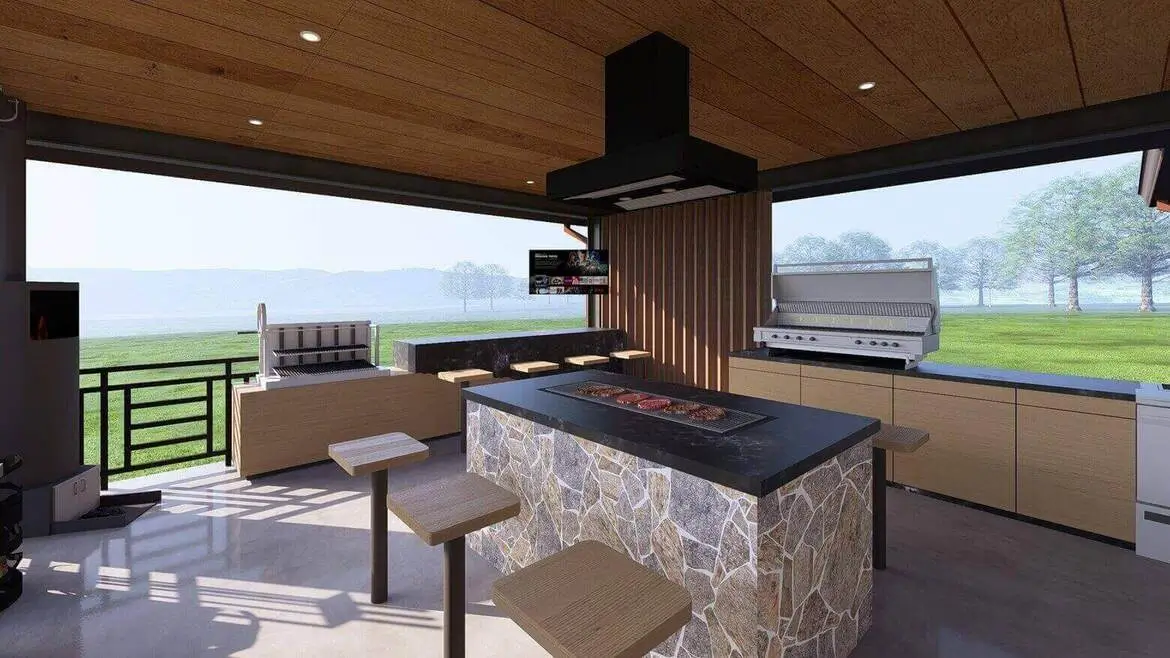
- Deck with outdoor kitchen
- Poolside deck
- Deck with fire feature
- Deck with built-in seating
- Deck with privacy fencing
- Deck with landscape lighting
These additions can make the outdoor space feel more comfortable and complete.
Review Permit and Site Requirements
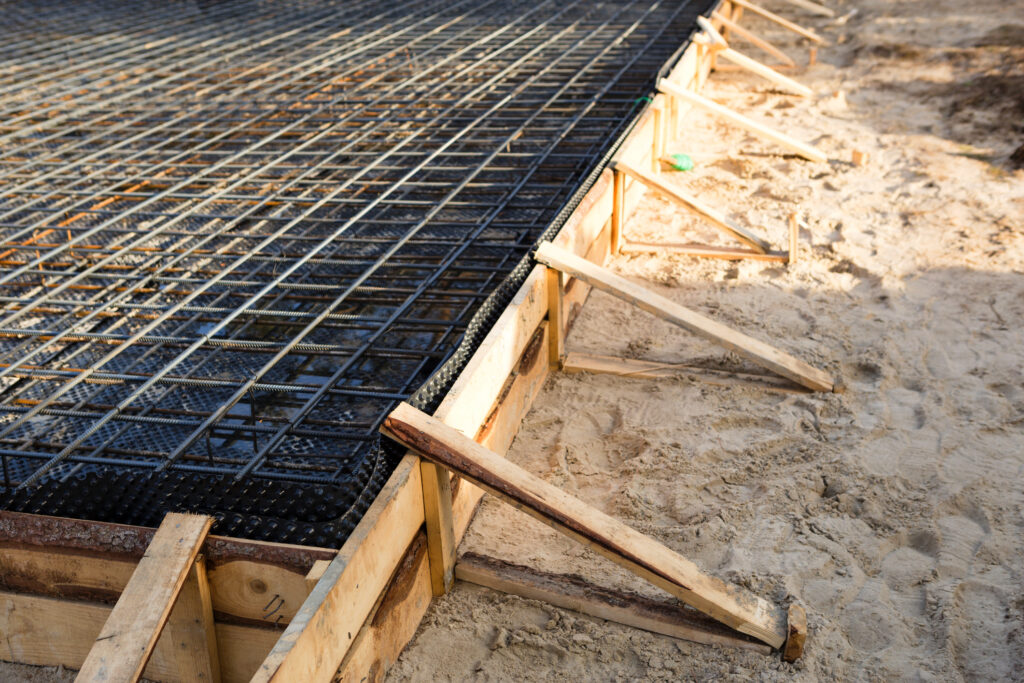
Deck requirements can depend on the project’s size, height, location, and connection to the home.
Before construction begins, homeowners should review local permit requirements, utilities, drainage, setbacks, and property restrictions. The City of Austin permit guide can provide a helpful starting point for understanding whether a project may require review.
Site planning may include:
- Property measurements
- Deck height
- Stair placement
- Utility locations
- Drainage
- Structural support
- Permit requirements
Therefore, these details should be reviewed before materials are ordered.
Which Decking Material Is Right for You?
There is no single decking material that works best for every property.
Natural wood offers warmth and character. On the other hand, composite and PVC provide lower-maintenance alternatives. The deck’s location, shade, drainage, daily use, and desired appearance should all influence the final decision.
At Together Exterior & Outdoor Remodeling, we help homeowners compare materials and create outdoor spaces that match their property, lifestyle, and long-term goals.
Ready to explore our deck and outdoor remodeling services? Contact Together Exterior & Outdoor Remodeling to schedule a consultation.