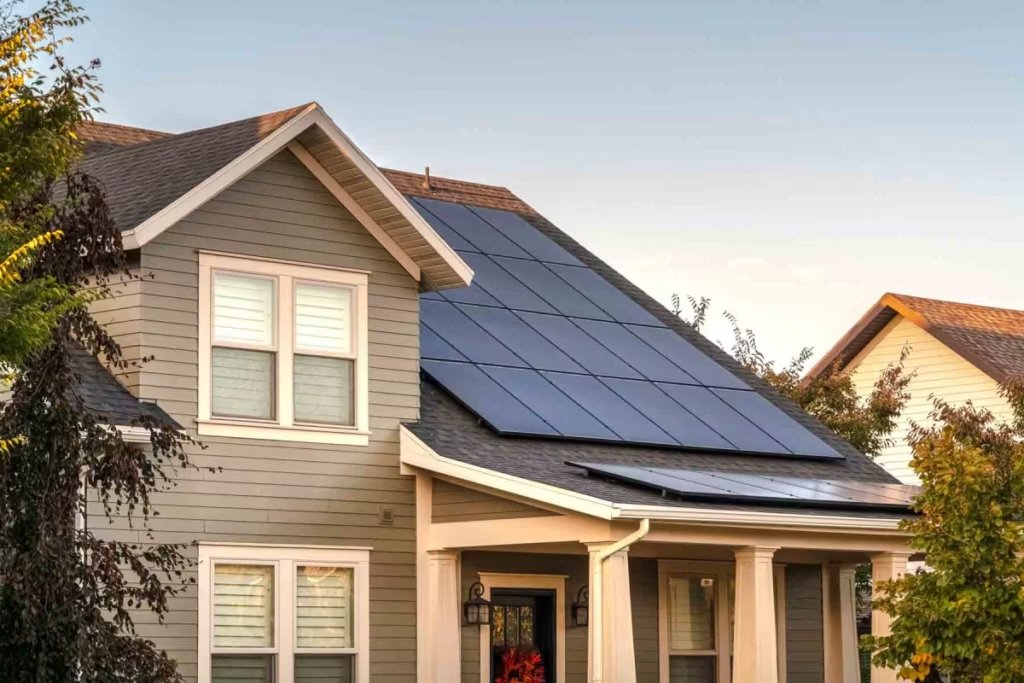
Solar energy has become an increasingly popular option for homeowners looking to improve energy efficiency and reduce their dependence on traditional electricity sources.
Professional solar panel installation in Austin can help turn unused roof space into a functional energy-producing system. In addition, solar panels can support long-term property improvements when they are properly designed and installed.
However, solar is not a one-size-fits-all solution. The roof condition, sunlight exposure, energy use, and system design all affect the final performance.
Why Solar Panel Installation in Austin Is Popular
Austin receives a significant amount of sunlight throughout the year. Therefore, many local properties may have the conditions needed to benefit from solar energy.
Solar panels collect sunlight and convert it into electricity that can be used throughout the property. Depending on the system and the home’s energy needs, this can reduce the amount of electricity purchased from the utility provider.
Homeowners may consider solar because they want to:
- Improve energy efficiency
- Reduce monthly electricity use
- Prepare for future energy costs
- Make use of available roof space
- Add a modern home improvement
- Support a more sustainable property
Before installation, a professional evaluation can determine whether the property is a good candidate.
1. Reduced Dependence on Traditional Electricity
One of the main benefits of solar energy is the ability to produce electricity directly at the property.
During sunny periods, the solar system can generate power for appliances, lighting, heating and cooling systems, and other electrical needs.
As a result, the property may rely less heavily on electricity from the utility grid.
The exact benefit depends on several factors, including:
- The size of the solar system
- The direction of the roof
- The amount of shade
- Seasonal weather conditions
- Household energy use
- Panel efficiency
A properly sized system should be designed around the property’s actual energy needs.
2. Potential Long-Term Energy Savings
Solar panel installation requires an upfront investment. However, the system may help reduce energy costs over time.
The amount saved can vary from one property to another. Homes with higher electricity use may see different results than smaller or more energy-efficient properties.
Before choosing a system, homeowners should review their recent electricity bills. This helps the solar provider estimate how much energy the property uses throughout the year.
It is also important to understand that solar savings are usually considered a long-term benefit rather than an immediate return.
3. Better Use of Available Roof Space
The roof is one of the largest unused exterior surfaces on many homes.
Solar panels can transform part of that space into a functional energy system. However, not every section of the roof will provide the same performance.
The ideal placement depends on:
- Roof direction
- Roof angle
- Nearby trees
- Surrounding buildings
- Chimneys and roof vents
- Available installation space
- Daily sunlight exposure
A professional solar assessment can identify the areas that receive the best sunlight throughout the day.
4. A More Energy-Efficient Property
Solar panels can become part of a larger energy-efficiency plan.
For example, homeowners may combine solar installation with:
- Energy-efficient windows
- Improved insulation
- Updated roofing
- LED lighting
- Efficient appliances
- Smart thermostats
- Modern heating and cooling systems
Reducing energy waste before installing solar can help the property use the generated electricity more effectively.
Therefore, it may be helpful to evaluate the entire home instead of focusing only on the panels.
5. Possible Property Value Benefits
Energy-efficient improvements can make a property more attractive to some future buyers.
Solar panels may appeal to buyers who want lower electricity use or a more sustainable home. However, the potential effect on property value can depend on the local market, system ownership, panel age, and installation quality.
A professionally installed and well-maintained solar system is generally more appealing than a system with unclear ownership, visible damage, or outdated equipment.
Homeowners should keep all system documents, warranties, permits, and maintenance records available.
Is Your Roof Ready for Solar Panels?
The condition of the roof is an important part of solar installation.
Solar panels are designed to remain in place for many years. Therefore, installing them over a roof that already needs major repairs may create additional work later.
Before installation, the roof should be inspected for:
- Missing or damaged shingles
- Active leaks
- Weak roof sections
- Damaged flashing
- Rotting materials
- Structural concerns
- Poor drainage
- Significant age or deterioration
If the roof needs replacement soon, it may be more practical to complete the roofing work first.
Coordinating roofing and solar installation can help avoid the cost of removing and reinstalling panels later.
How Shade Affects Solar Performance
Solar panels need direct sunlight to produce the best results.
Trees, nearby buildings, roof structures, and other obstructions can create shade during different parts of the day. Even partial shade may affect the amount of electricity the system generates.
However, this does not always mean that solar is not possible. The panel layout can sometimes be adjusted to avoid heavily shaded areas.
A professional assessment should review sunlight conditions throughout the day and across different seasons.
What Size Solar System Does a Property Need?
The correct system size depends on the property’s electricity use and available installation space.
A larger system is not always the best option. Instead, the goal should be to create a system that matches the household’s typical needs and budget.
The installer may review:
- Monthly electricity bills
- Annual electricity consumption
- Roof measurements
- Sunlight exposure
- Future energy needs
- Planned home additions
- Electric vehicle charging
- Pool or outdoor equipment
For example, a homeowner planning to add an electric vehicle or swimming pool may need more electricity in the future.
Solar Panels and Battery Storage
Some homeowners choose to combine solar panels with a battery storage system.
A battery can store some of the electricity generated by the solar panels. That stored energy may then be used later, such as during the evening or certain power interruptions.
However, batteries increase the overall system cost. They also require proper planning, placement, and electrical installation.
Homeowners should compare the benefits, capacity, warranties, and maintenance requirements before adding battery storage.
Solar Panel Maintenance
Solar panels generally require limited routine maintenance. However, they should still be inspected periodically.
Dust, leaves, branches, and other debris can collect on or around the panels. In addition, severe weather may damage wiring, mounting equipment, or individual panels.
Solar maintenance may include:
- Visual panel inspections
- Checking mounting hardware
- Removing excessive debris
- Reviewing energy production
- Inspecting electrical connections
- Trimming nearby branches
- Checking for roof damage
Homeowners should avoid walking on the panels or attempting electrical repairs themselves.
Questions to Ask Before Installing Solar
Before choosing a solar system, ask the installer:
- Is my roof suitable for solar panels?
- How much sunlight does my roof receive?
- What system size do you recommend?
- How much electricity may the system produce?
- What warranties are included?
- Who is responsible for repairs?
- Are permits required?
- How will the panels attach to the roof?
- Does the roof need repairs first?
- What happens if the roof needs replacement later?
- Is battery storage recommended?
- Who will monitor the system performance?
Clear answers can help homeowners compare systems and avoid unexpected issues.
Professional Solar Panel Installation in Austin
Solar energy can be a valuable exterior improvement when the system is properly planned around the property.
At Together Exterior & Outdoor Remodeling, we provide professional solar panel installation for Austin-area homes and businesses. Our team can also help evaluate roofing conditions and coordinate additional exterior improvements when needed.
We focus on creating solutions that support energy efficiency, functionality, and long-term property performance.
Contact Together Exterior & Outdoor Remodeling to schedule a solar consultation.