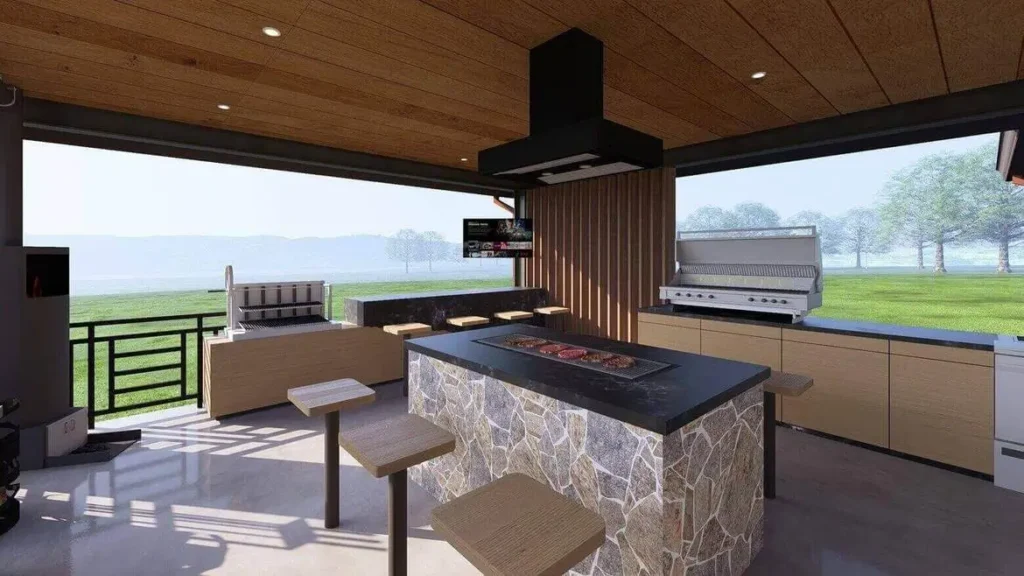
Planning an exterior remodel can be exciting. However, it can also be difficult to imagine how every material, color, and new feature will look together.
Professional 3D exterior design in Austin allows homeowners to see a realistic representation of the proposed project before construction begins.
Instead of making major decisions from small samples or separate inspiration photos, you can review the complete design in one visual plan.
What Is 3D Exterior Design?
A 3D exterior design is a digital representation of the home and proposed improvements.
Depending on the project, the design may show:
- Roofing
- Siding
- Exterior paint
- Windows and doors
- Patios
- Decks
- Pergolas
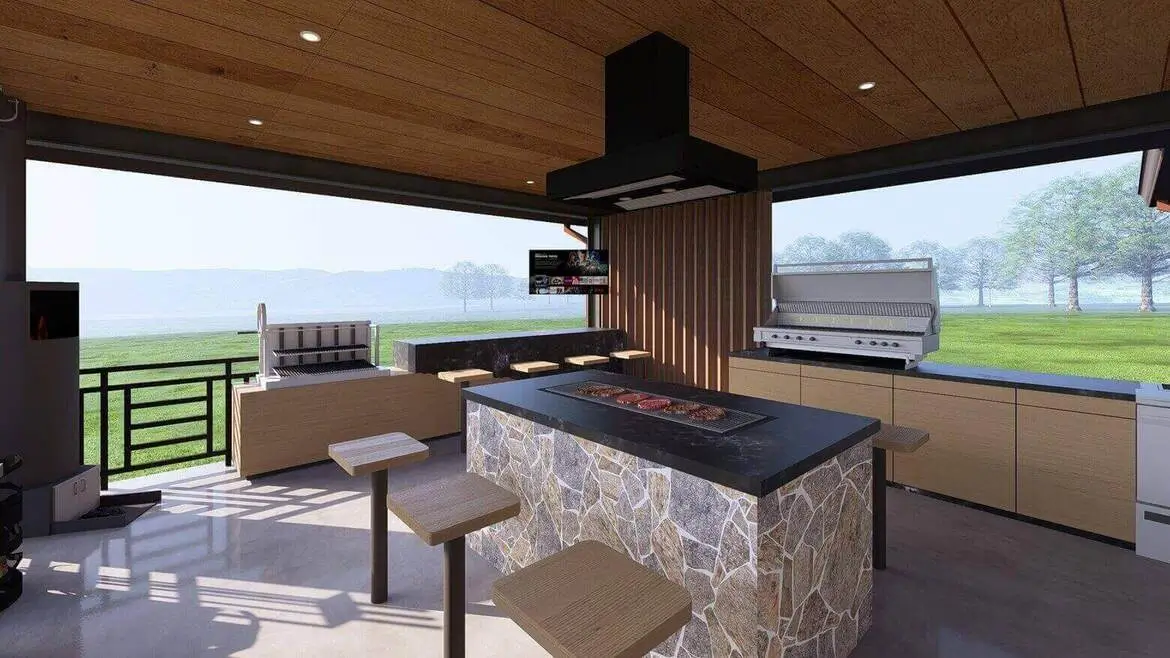
- Outdoor kitchens
- Pools
- Landscaping
- Lighting
- Fencing
- Driveways and walkways
The goal is to create a clear picture of how the finished exterior may look.
1. See the Complete Project
Exterior projects often include several elements that need to work together.
For example, a homeowner may want to replace the siding, update the windows, add a patio cover, and improve the landscaping.
Looking at each feature separately does not always show how the full property will feel.
A 3D design combines those elements into one view. This helps homeowners evaluate the overall balance, proportions, and style.
2. Compare Materials and Colors
Material samples are helpful, but they are small and usually viewed outside the context of the property.
A 3D rendering can show how different options may look across a larger area.
Homeowners can compare:
- Light and dark siding
- Stone and brick accents
- Roofing colors
- Window-frame finishes
- Wood and composite materials
- Concrete and pavers
- Paint combinations
- Metal details
This can make it easier to choose finishes that complement one another.
3. Review Different Design Options
The first idea is not always the final design.
A homeowner may begin with one patio layout and later realize that a different configuration provides better access or more seating.
Three-dimensional planning can help compare options such as:
- Attached or freestanding pergolas
- Different deck sizes
- Alternative walkway locations
- Several landscape layouts
- Window and door placements
- Different rooflines
- Multiple outdoor-kitchen arrangements
Reviewing these options before construction is usually easier than changing them after work begins.
4. Understand the Scale of the Project
A feature may look appropriate in a showroom or photograph but feel too large or too small for the actual property.
A realistic design can help show how each improvement relates to the home and available yard space.
This is especially helpful for:
- Home additions
- ADUs
- Patio covers
- Pools
- Outdoor kitchens
- Large decks
- Retaining walls
- Driveway gates
Understanding scale can prevent the outdoor space from feeling crowded or incomplete.
5. Identify Design Conflicts Early
Exterior projects involve more than appearance.
The design must also consider doors, windows, rooflines, utilities, drainage, access, and existing structures.
A detailed plan may help identify conflicts such as:
- A patio cover blocking a window
- A walkway interfering with drainage
- A pergola positioned too close to a door
- An outdoor kitchen limiting circulation
- Landscaping blocking an important view
- A new structure feeling out of proportion
- Materials that do not coordinate
Identifying concerns during planning can reduce unexpected changes later.
6. Create a More Accurate Project Scope
A clear visual design can help homeowners and contractors discuss the same project.
Without a detailed plan, two people may interpret the same description differently.
A rendering can clarify:
- The approximate size of each feature
- Material placement
- Color selections
- Project boundaries
- Landscape areas
- Walkways and access
- Outdoor furniture locations
- Lighting locations
This can support a clearer scope of work and more organized project planning.
7. Improve Budget Decisions
Most remodeling projects involve choices between priorities.
A homeowner may need to decide whether to invest more in a larger patio, premium siding, custom masonry, or additional landscaping.
Seeing the full project can make those decisions easier.
The design can help identify:
- Essential improvements
- Optional upgrades
- Areas that may be simplified
- Features that provide the greatest visual impact
- Work that can be completed in phases
This allows the budget to be directed toward the parts of the project that matter most.
8. Coordinate Landscaping and Construction
Landscaping is often treated as a final step. However, it should be considered during the main design process.
Trees, planting beds, irrigation, lighting, drainage, and hardscaping can affect how the entire property functions.
A coordinated design may include:
- Planting areas
- Lawn or artificial turf
- Decorative stone
- Pathways
- Retaining walls
- Drainage routes
- Irrigation zones
- Landscape lighting
Planning these elements together can create a more complete result.
9. Make Decisions with More Confidence
Construction decisions can feel permanent.
Homeowners may hesitate because they are unsure how a selected material or design will look once installed.
A 3D rendering does not remove every unknown. However, it provides a much clearer visual reference than a simple description.
This can help homeowners feel more confident when approving:
- Layouts
- Materials
- Colors
- Sizes
- Architectural details
- Landscape plans
What Should a 3D Exterior Design Include?
The level of detail depends on the project.
A complete design may include:
- Existing home dimensions
- Proposed structures
- Material selections
- Color combinations
- Hardscape layouts
- Landscape concepts
- Daytime views
- Evening lighting views
- Multiple design angles
- Alternative options
Homeowners should provide clear measurements, photos, inspiration images, and project goals.
Questions to Ask During the Design Process
Before approving the design, ask:
- Does the design match how we plan to use the property?
- Are the dimensions realistic?
- Do the materials complement the home?
- Is there enough space for furniture and circulation?
- How will water drain around the new features?
- Are lighting and electrical needs included?
- Does the design consider future improvements?
- Which features are included in the construction scope?
- Can alternative materials be shown?
- Are permits or approvals likely to affect the design?
These questions can help turn an attractive concept into a practical construction plan.
Professional 3D Exterior Design in Austin
A successful exterior project begins with a clear vision.
Together Exterior & Outdoor Remodeling provides professional 3D exterior design in Austin. Our team can help homeowners visualize siding, roofing, patios, decks, landscaping, additions, outdoor kitchens, pools, and complete exterior transformations.
We use design planning to help clients compare options and move into construction with greater clarity.
Contact Together Exterior & Outdoor Remodeling to begin planning your exterior project.