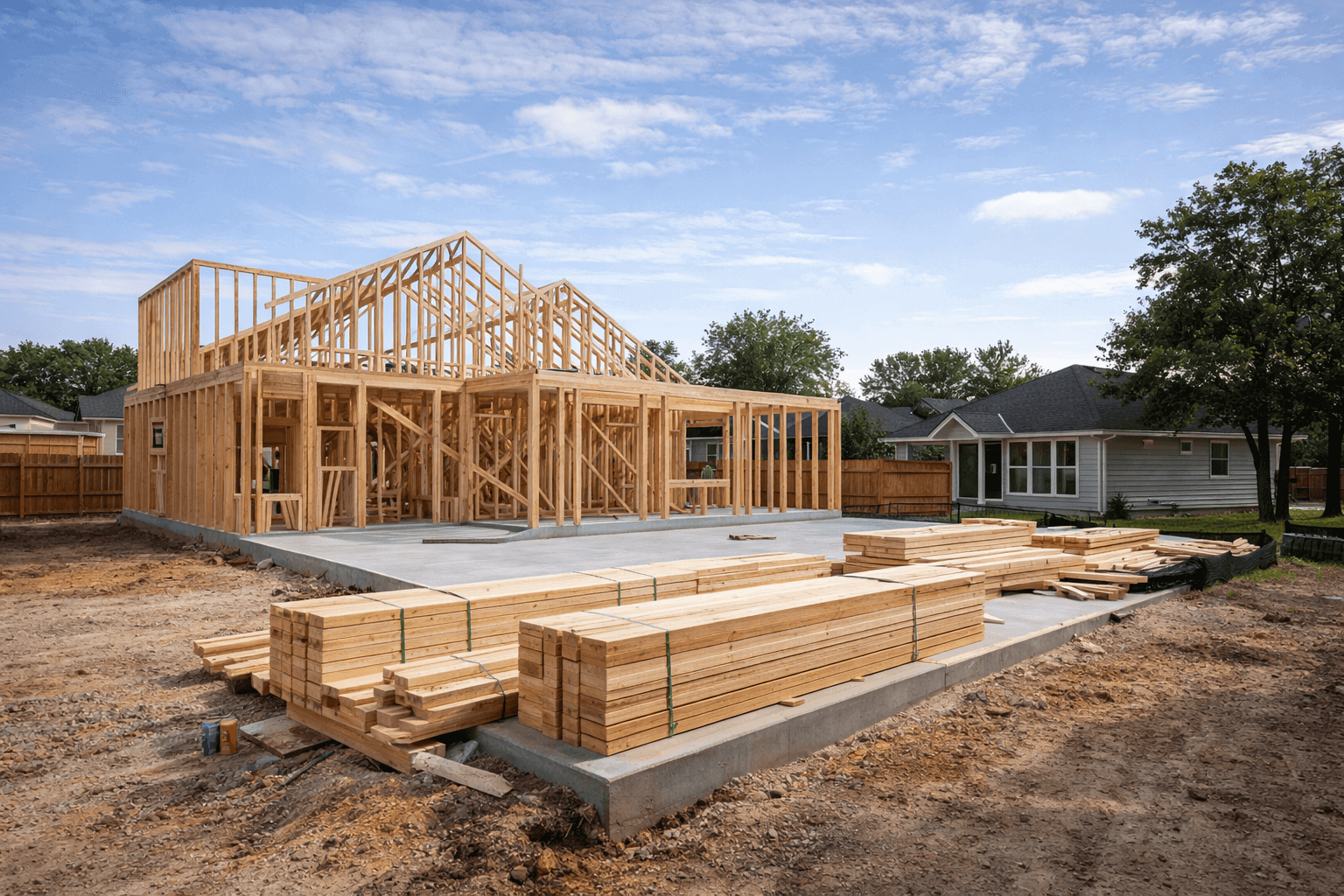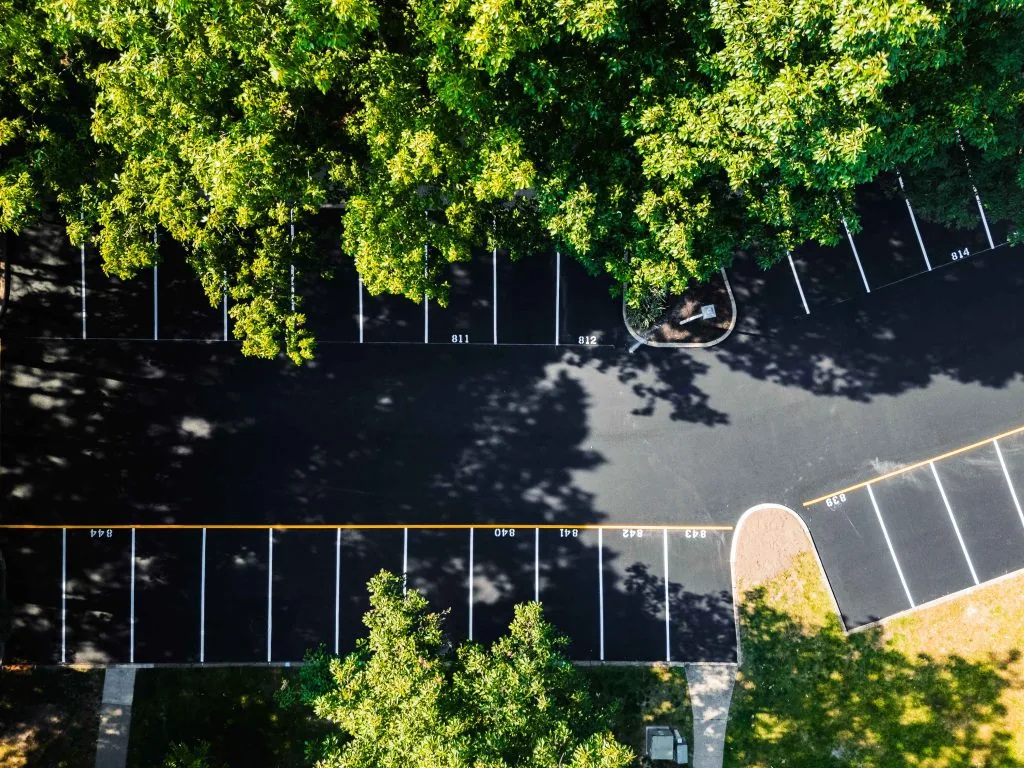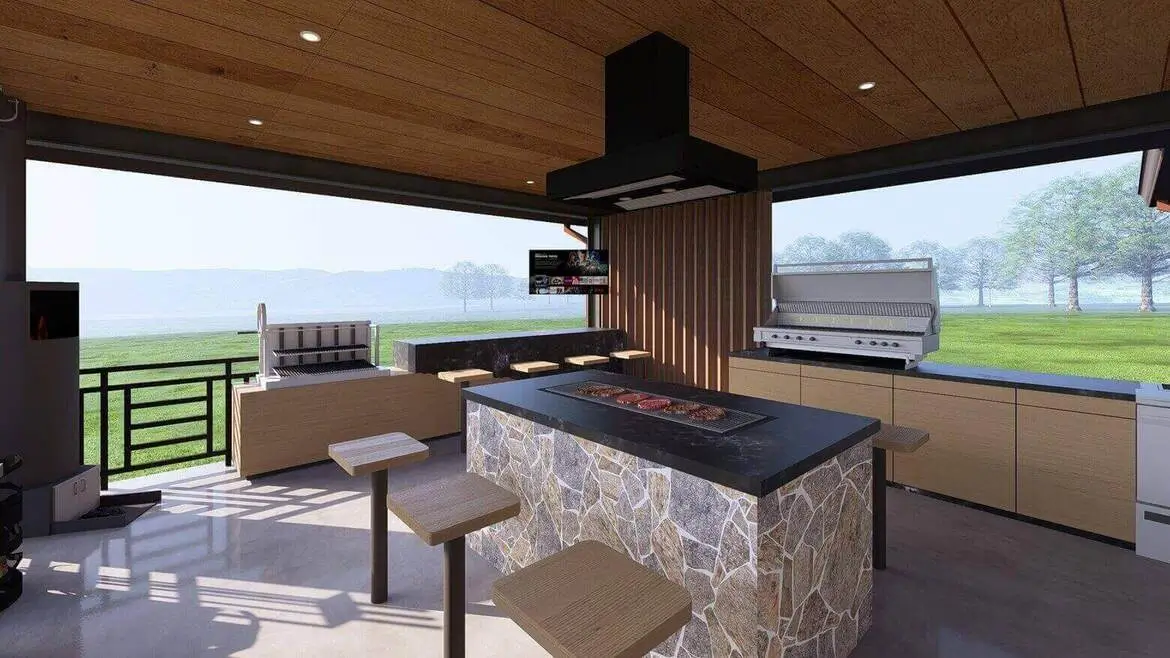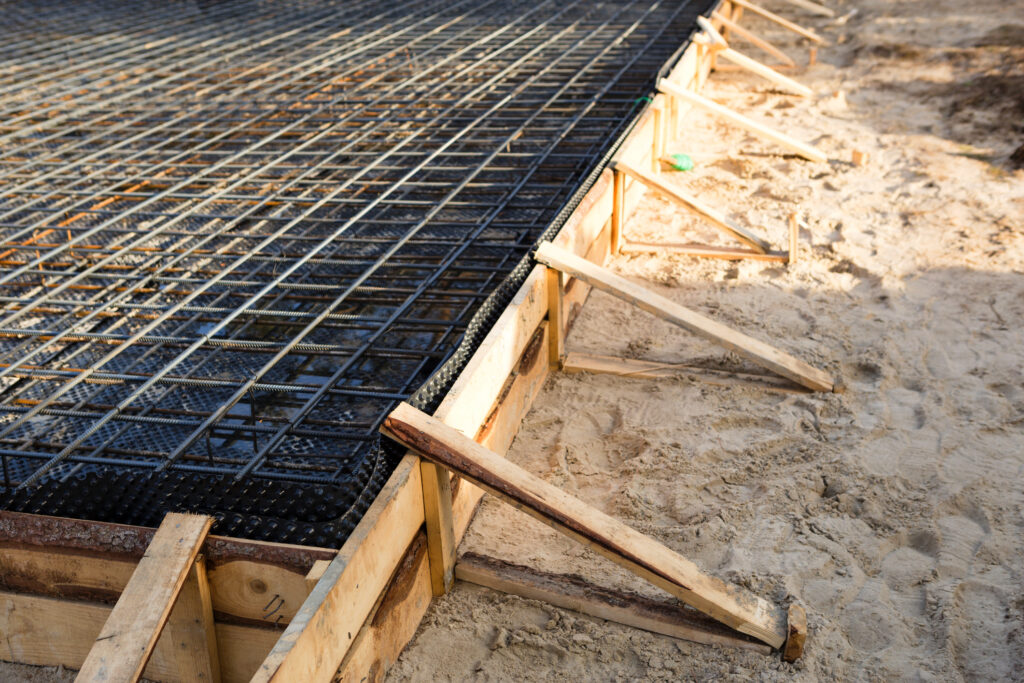
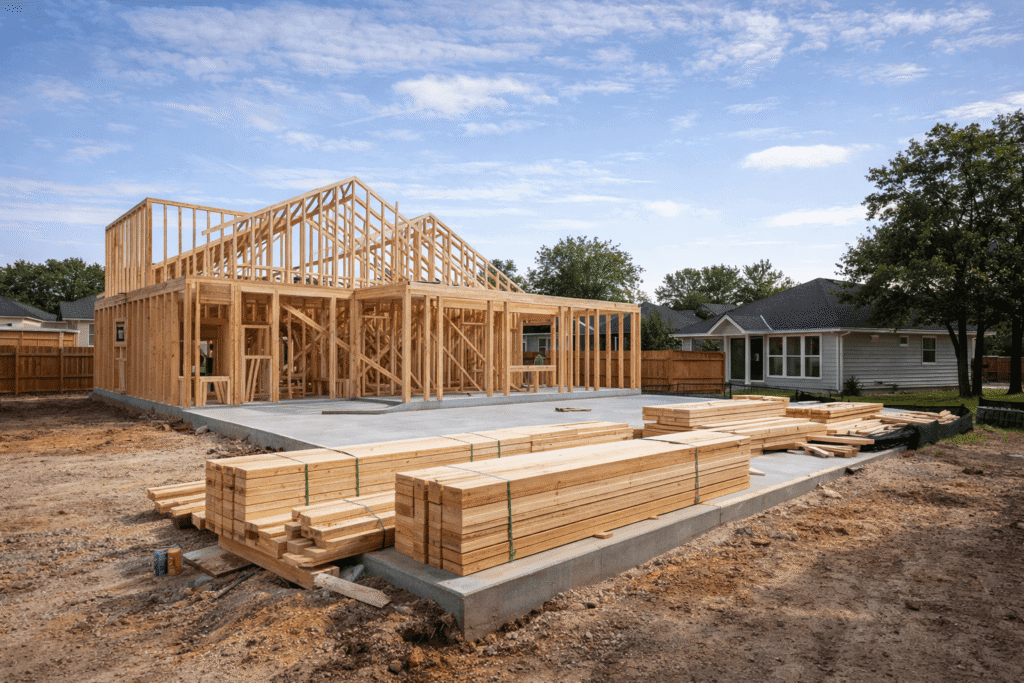
A new construction project creates an opportunity to build around your exact goals rather than adapting an existing structure.
However, the process involves many connected decisions.
Hiring an experienced new construction contractor in Austin can help coordinate design, budgeting, site preparation, materials, scheduling, and construction.
Understanding the major phases before work begins can help you prepare for a more organized project.
1. Define the Purpose of the Project
Start by identifying what the new building needs to accomplish.
The project may be:
- A new home
- A detached guest house
- An outdoor office
- A commercial building
- A pool house
- A workshop
- A garage
- A multi-use structure
- An amenity building
- A property addition
The intended use affects the size, layout, utilities, materials, and budget.
A clear list of priorities can help the design team create a more practical plan.
2. Evaluate the Property
The site can influence nearly every construction decision.
Before design begins, the team may need to evaluate:
- Property dimensions
- Existing structures
- Access
- Slope
- Drainage
- Soil conditions
- Trees
- Utilities
- Easements
- Setbacks
- Surrounding properties
A design that works on one lot may not work on another.
Site conditions should be understood before the budget and schedule are finalized.
3. Establish a Realistic Scope
The project scope should describe what is being built and what work is included.
It may cover:
- Site preparation
- Foundation
- Framing
- Roofing
- Windows and doors
- Exterior finishes
- Plumbing
- Electrical work
- Heating and cooling
- Interior finishes
- Concrete
- Landscaping
- Drainage
- Driveways and walkways
Clear scope documentation helps reduce misunderstandings later.
4. Develop the Design
Construction should begin with a coordinated plan.
Depending on the project, the design process may involve:
- Architectural plans
- Engineering
- Floor plans
- Exterior elevations
- Structural details
- Material selections
- Electrical layouts
- Plumbing layouts
- Landscape plans
- 3D renderings
The design should support both appearance and daily function.
It is easier to revise a drawing than to relocate a wall or utility after construction begins.
5. Create a Detailed Budget
A construction budget should include more than the visible building materials.
Potential costs may include:
- Design
- Engineering
- Permits
- Site preparation
- Utility connections
- Demolition
- Foundation work
- Materials
- Labor
- Equipment
- Landscaping
- Drainage
- Inspections
- Temporary facilities
- Contingency funds
Ask what is included and excluded from each estimate.
A lower initial price may not represent the complete project cost.
6. Understand Allowances
Some selections may not be finalized when the construction contract is prepared.
The contractor may include allowances for items such as:
- Flooring
- Tile
- Lighting
- Plumbing fixtures
- Appliances
- Cabinets
- Doors
- Exterior materials
An allowance is a budgeted amount, not necessarily the final cost.
Homeowners should understand what happens if the selected product costs more or less than the allowance.
7. Review Permit and Approval Requirements
Approval requirements depend on the project and its location.
The process may involve:
- Building permits
- Trade permits
- Engineering reviews
- Utility approvals
- Inspections
- HOA approval
- Development requirements
- Site plans
The team should identify likely requirements early.
Waiting until construction is ready to begin can create delays if important documents are missing.
8. Build a Practical Schedule
A construction schedule includes several stages.
These may include:
- Design
- Estimating
- Permitting
- Site preparation
- Foundation work
- Framing
- Roofing and exterior enclosure
- Mechanical, electrical, and plumbing work
- Insulation and finishes
- Exterior improvements
- Inspections
- Final completion
Weather, inspections, material availability, and design changes may affect the timeline.
The schedule should be realistic rather than based only on the ideal scenario.
9. Select Materials Early
Late material decisions can delay construction.
Products with longer lead times may include:
- Windows
- Exterior doors
- Roofing
- Custom metalwork
- Cabinets
- Specialty siding
- Appliances
- Lighting
- Plumbing fixtures
Early selections also help confirm the budget and design.
The contractor should explain which decisions need to be made first.
10. Plan Utilities and Site Access
The construction team needs safe access for workers, deliveries, equipment, and inspections.
The project may also require coordination for:
- Temporary power
- Water
- Sewer connections
- Electrical service
- Gas
- Internet
- Driveway access
- Material storage
- Waste removal
These practical needs should be addressed during pre-construction planning.
11. Understand Change Orders
A change order documents a change to the original contract.
Changes may affect the:
- Price
- Schedule
- Materials
- Labor
- Design
- Scope
Some changes are requested by the client. Others may result from unexpected site conditions or required corrections.
Every change should be clearly documented before the additional work proceeds.
12. Establish a Communication Process
Consistent communication is important during construction.
Before work begins, confirm:
- Who your main contact will be
- How often updates will be provided
- How questions will be submitted
- Who approves selections
- How schedule changes will be communicated
- How change orders will be reviewed
- When site meetings will occur
A defined process can reduce confusion and missed information.
13. Coordinate the Exterior from the Beginning
Exterior elements should not be treated as separate afterthoughts.
The building design should coordinate with:
- Roof drainage
- Gutters
- Grading
- Landscaping
- Irrigation
- Patios
- Walkways
- Driveways
- Exterior lighting
- Fencing
- Gates
Planning these features together can create a more functional property.
Questions to Ask a New Construction Contractor
Before selecting a contractor, ask:
- Who will manage the project?
- What is included in the estimate?
- How are subcontractors selected?
- What approvals are required?
- How are schedule changes handled?
- How are material selections documented?
- What insurance is maintained?
- How are change orders approved?
- What warranties are provided?
- How often will we receive updates?
- Who handles inspections and final completion?
Clear answers can help you compare contractors more effectively.
Professional New Construction Contractor in Austin
A successful construction project depends on planning, coordination, communication, and quality execution.
Together Exterior & Outdoor Remodeling serves as a new construction contractor in Austin for residential, exterior, and commercial projects. Our team can coordinate design, site work, foundations, exterior materials, concrete, landscaping, drainage, and project management.
Contact Together Exterior & Outdoor Remodeling to discuss your new construction project.