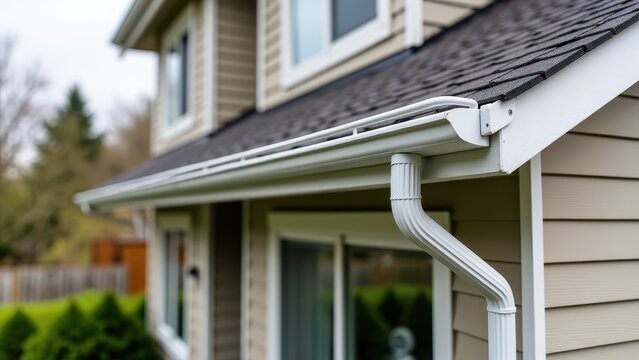
Gutters help control rainwater and direct it away from important areas of your property.
However, damaged or poorly installed gutters may overflow, leak, or pull away from the roofline. When this happens, water can reach the siding, landscaping, fascia, and foundation.
Professional gutter repair in Austin can solve many common problems. Nevertheless, some gutter systems may be too damaged or outdated to repair effectively.
Knowing when to repair or replace your gutters can help you protect your property before water damage becomes more serious.
Why Functional Gutters Are Important
Rainwater naturally flows from the roof toward the edge of the home.
A properly installed gutter system collects that water and carries it through the downspouts. From there, the water should move toward a safe drainage location.
Without working gutters, rainwater may:
- Collect near the foundation
- Wash away soil and mulch
- Stain siding or stucco
- Damage fascia boards
- Create puddles near walkways
- Affect landscaping
- Overflow onto patios
- Contribute to roof-edge moisture
Because of this, gutter problems should not be ignored.
Common Signs Your Gutters Need Attention
Some gutter problems are easy to see. Others may only become noticeable during heavy rainfall.
Inspecting the system regularly can help you identify damage early.
Common warning signs include:
- Water overflowing from the gutters
- Visible cracks or holes
- Sagging gutter sections
- Gutters pulling away from the roof
- Loose brackets or fasteners
- Water leaking from the joints
- Rust or corrosion
- Peeling exterior paint
- Water stains on siding
- Puddles near the foundation
- Soil erosion below the roofline
- Damaged fascia or soffit
- Downspouts that do not drain correctly
If you notice one or more of these signs, the system may need cleaning, repairs, or replacement.
When Gutter Repair May Be Enough
Not every problem requires a complete gutter replacement.
Repairs may be appropriate when most of the system is still in good condition and the damage is limited to a few areas.
Small Leaks or Holes
Minor leaks may develop around seams, joints, or fasteners.
In some cases, these areas can be sealed or patched. However, the surrounding material should still be strong enough to support the repair.
Loose Gutter Sections
Gutters can loosen when brackets or fasteners become damaged.
If the gutter itself is still straight and stable, replacing the hardware may restore the correct position.
Minor Sagging
A small sagging section may result from loose brackets or debris buildup.
The gutter may be repositioned and secured if the material has not become permanently bent.
Clogged Gutters or Downspouts
Leaves, dirt, branches, and roofing debris can block the flow of water.
Cleaning the system may solve overflowing problems when there is no significant structural damage.
Damaged Downspout Sections
A bent, disconnected, or cracked downspout section can often be replaced without changing the entire gutter system.
The repaired downspout should direct water away from the foundation and other vulnerable areas.
When Gutter Replacement May Be Better
Repairs can extend the life of a gutter system. However, repeated repairs may not be the most practical option when the system has widespread damage.
Replacement may be recommended in the following situations.
Multiple Cracks or Leaks
One small leak may be repairable. However, leaks throughout the entire system may indicate that the material has deteriorated.
Sealing one section may not prevent another area from failing soon afterward.
Severe Rust or Corrosion
Rust can weaken metal gutters and create holes.
If corrosion is limited to one small section, a repair may be possible. If it appears throughout the system, replacement may provide a more reliable solution.
Gutters Pulling Away from the Home
Gutters may pull away because of damaged fasteners, excessive debris, poor installation, or deteriorated fascia boards.
When several sections are separating from the roofline, the entire system should be evaluated.
Extensive Sagging
Sagging prevents water from flowing correctly toward the downspouts.
If the gutters have become bent or misshapen, simply tightening the brackets may not correct the problem.
Frequent Overflowing
Overflowing can result from clogs. However, it can also happen when the gutters are too small for the roof or when there are not enough downspouts.
A new system may be needed to manage the amount of roof runoff more effectively.
Repeated Repairs
If the gutters require frequent repairs, replacing them may be more cost-effective than continuing to patch individual problems.
A new system can also improve drainage, appearance, and overall performance.
Repairing the Gutters Does Not Always Solve the Entire Problem
Gutters are one part of the property’s water-management system.
Even properly repaired gutters may not protect the home if the downspouts release water beside the foundation.
The entire drainage path should be reviewed, including:
- Gutter slope
- Downspout placement
- Downspout extensions
- Underground drainage pipes
- Property grading
- Catch basins
- French drains
- Roof runoff
- Landscape elevation
The goal is to move water away from the building without creating a new problem elsewhere.
Why Gutters Overflow
Clogged gutters are a common cause of overflowing water. However, they are not the only possible cause.
Gutters may overflow because of:
- Leaves and roof debris
- Incorrect gutter slope
- Too few downspouts
- Undersized gutters
- Damaged downspouts
- Poor installation
- Separated gutter joints
- Roof valleys releasing large amounts of water
- Gutter guards that are not working correctly
A professional inspection can identify the cause before repairs begin.
How Damaged Gutters Can Affect the Roof
When gutters do not drain correctly, water can remain near the roof edge.
This may affect the fascia, soffit, flashing, and nearby roofing materials. In addition, overflowing water can repeatedly run over exterior trim and painted surfaces.
Signs of roofline moisture may include:
- Soft or damaged fascia
- Peeling paint
- Water stains
- Rotting wood
- Loose gutter fasteners
- Mold or mildew around the roof edge
Repairing the gutters early can help prevent the damage from spreading.
How Gutters Help Protect the Foundation
A gutter system should move roof runoff away from the base of the property.
When water falls directly beside the foundation, it can saturate the surrounding soil. Repeated water exposure may also contribute to erosion and moisture problems.
Downspout extensions or connected drainage systems may be needed to carry the water farther away.
The appropriate solution depends on:
- The slope of the property
- The location of the downspouts
- Soil conditions
- Nearby walkways and patios
- Landscape design
- Existing drainage systems
Replacing gutters without addressing the downspout discharge may leave the original drainage problem unresolved.
Choosing the Right Gutter Material
When replacement is necessary, homeowners can choose from several gutter materials.
Aluminum Gutters
Aluminum is a common gutter material because it is lightweight and resistant to rust.
It is available in different colors and can be formed into seamless gutter sections.
Steel Gutters
Steel gutters are strong and durable. However, they may require protective finishes to reduce the risk of corrosion.
Copper Gutters
Copper gutters provide a distinctive appearance and can last for many years.
However, they usually cost more than standard aluminum or steel systems.
Vinyl Gutters
Vinyl gutters are lightweight and do not rust. Nevertheless, they may become brittle or damaged under certain weather conditions.
The best material depends on the property, budget, roof design, and desired appearance.
Seamless vs. Sectional Gutters
Sectional gutters are assembled from several individual pieces. Each connection creates a seam that may eventually develop a leak.
Seamless gutters are formed in longer sections to fit the building. Therefore, they have fewer joints and potential leak points.
Seamless gutters may offer:
- A cleaner appearance
- Fewer seams
- Reduced leak potential
- Custom sizing
- A better fit along the roofline
Corners and downspout connections will still require joints, even with a seamless system.
Do Gutter Guards Eliminate Maintenance?
Gutter guards can reduce the amount of leaves and large debris entering the system.
However, they do not make gutters completely maintenance-free.
Small particles, roof granules, seeds, and dirt may still collect over time. In addition, debris can build up on top of some gutter-guard systems.
Gutters with guards should still be inspected for:
- Blocked water flow
- Debris buildup
- Loose sections
- Damaged screens
- Overflowing water
- Clogged downspouts
The maintenance schedule will depend on nearby trees, roof conditions, and the type of guard installed.
How Often Should Gutters Be Inspected?
Gutters should be checked regularly and after severe storms.
Properties with large trees nearby may require more frequent cleaning and inspections.
It is also helpful to observe the gutters during rainfall. This can reveal leaks, overflowing sections, and downspout problems that may not be visible in dry weather.
During an inspection, look for:
- Debris
- Standing water
- Loose brackets
- Separated joints
- Rust
- Cracks
- Improper slope
- Damaged downspouts
- Water collecting near the foundation
Homeowners should avoid climbing onto the roof or using unstable ladders to inspect difficult areas.
Questions to Ask a Gutter Contractor
Before repairing or replacing the system, ask:
- Can the existing gutters be repaired?
- What is causing the overflow?
- Are the gutters properly sized for the roof?
- Does the system have enough downspouts?
- Is the fascia damaged?
- Where will each downspout release water?
- Are underground drainage connections needed?
- What gutter material do you recommend?
- Are seamless gutters available?
- What maintenance will the system require?
- Is a warranty included?
- Will the old gutter system be removed?
Clear answers can help you understand the proposed solution and compare your options.
Professional Gutter Repair in Austin
Repairing damaged gutters can help restore proper water flow and protect your roof, siding, landscaping, and foundation.
However, when the system has extensive damage, improper sizing, or repeated leaks, replacement may offer better long-term protection.
Together Exterior & Outdoor Remodeling provides professional gutter repair in Austin, along with gutter replacement, roofing, drainage, siding, foundation work, and complete exterior improvements.
Our team evaluates the gutter system and the surrounding drainage conditions before recommending the right solution.
Contact Together Exterior & Outdoor Remodeling to schedule a gutter inspection and exterior consultation.